Petitions, Action Alerts, Cruelty-free Living
- Animal Aid: Fighting Abuse, Promoting Cruelty-Free
- Animal Alliance of Canada
- Animals Asia
- Animal Friends Croatia
- Animal Place
- Animal Protection Index
- Animal Welfare Institute: Aims
- Best Friends Network
- Citizens to End Animal Suffering & Exploitation
- Choose Cruelty Free.org
- Coalition for Consumer Information on Cosmetics
- Compassion Over Killing (COK)
- Doris Day Animal League: Legislation/DDAF Campaigns
- Ethical Consumer Magazine
- Foundation Brigitte Bardot
- Greek Animal Rescue
- Havahart: Caring control for pets and wildlife
- Honesty Cosmetics
- Humane Society of the United States (HSUS)
- In Defense of Animals (IDA)
- International Fund for Animal Welfare (IFAW)
- Last Chance For Animals: Campaigns
- National Wildlife Federation
- Naturewatch: Campaigning Against Cruelty
- Oceana’s What’s New, Take Action
- Panda Passport by WWF
- Petition Spot
- Pets In Need: What You Can Do & Rescue Centers
- Progressive Animal Welfare Soc.(PAWS): Orphaned Wildlife
- RSPCA: Conscientious Consumer, Current Campaigns
- Society for Protective Animal Legislation: Urgent Alerts
- The Animals Voice
- The Fund For Animals
- The Petition Site
- United Animal Nations
- Wildlife Advocacy Project
- World Wildlife Federation (WWF): Global Challenges
- World Society for the Protection of Animals, (WSPA)
Also see: COMPASSION in world farming & farm sanctuary
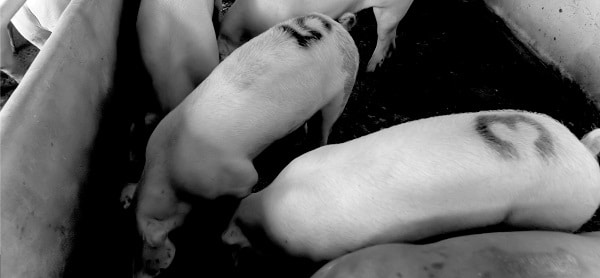
“Farmed animals are the most exploited and least protected group of animals in the world. 27 million are killed in the United States alone each day, nearly 19,000 per minute – equating to a tragic total of 10 billion animals per year.”
“Over the past 50 years, animal agriculture has evolved from small, family farms to large corporate factory farming systems. Modern agribusiness corporations are built upon the cutthroat attitude of increasing profit margins at all costs – which has had devastating consequences for the animals in their care.”
Anti-abuse Resources: Information, Laws, Prosecuting
- All-Creatures.org: Animal Issues Directory
- Am. Soc. for the Prevention of Cruelty to Animals (ASPCA)
- American Humane: Animal Welfare Legislation
- Pet-Abuse.com
- Animal Advocates Society of BC, Canada
- Animal Care: Publications
- All Animal Clinic: Educating Against Abuse
- Animal Control
- Animal Cruelty: State Laws and What You Can Do
- AnimalLaw.com
- Animal Law Offices, animallaw.net
- Animal Legal & Historical Center
- Animal Legal Defense Fund (ALDF)
- Animal Rights Coalition: How to Report Cruelty in MN
- Anti-Cruelty.org (SPCA of Illinois)
- ASPCA State Cruelty Laws (scroll to view)
- Council of Europe: Legal Affairs
- Defenders of Animals, RI
- Endangered Species Act
- Georgia Animal Rights and Protection (GARP)
- Hugs For Homeless Animals, U.S. Laws
- Humane Society of the United States
- International Society for Animal Rights (ISAR)
- Journal of Animal Law and Ethics
- Kinship Circle: letter library, fact sheets, govt reps
- League of Humane Voters
- lisaviolet.com: state laws, statute excerpts
- MetroPets: The Law and Your Pet
- Ontario SPCA Humane Education Programs
- Rutgers U. School of Law: Animal Rights Law Project
- Texas Penal Code: Animal Abuse
- The Animal’s Voice: Resources
- The Progressive Animal Welfare Society (PAWS)
- USDA on Pocket Pet Welfare
Confronting Animal Abuse Abuse
Reporting Animal Cruelty
By Humane Society, Silicon Valley
If you witness an act of animal cruelty or an animal-related emergency in progress call 911. If the abuse is not an emergency, please call your city’s animal control department. They can do their best investigative work when they have as much information as possible. Please provide the following information when you call:
- The nature of the abuse (see Identifying Animal Abuse if you are uncertain).
- A description of the animal, as detailed as possible. Include the species, color, age, gender, name, unusual identifying marks, and any other important identifying information.
- The precise location of the animal. Include the street address, location of the animal on the property (inside, backyard, etc.), and a description of the property and any buildings on it (in rural areas – trees, outbuildings, etc. In urban areas – the color of the house, etc.).
- Name, address, phone numbers, vehicle description and license plate, physical description (as detailed as possible) of the suspect.
- Names, addresses, and phone numbers of witnesses.
Anonymity
Often times callers are concerned over retribution for making a complaint and wish to remain anonymous. Many departments will take anonymous complaints. However, they often need to repeatedly contact complainants for clarification of facts or for further information.
How To Be A Good Witness
Since animals can’t speak to tell us what happened to them, we rely on human witnesses to provide us with the necessary information. Your actions as a witness can help make a solid case for education, intervention, or enforcement action to protect the animals. Follow these guidelines to be the most effective witness possible:
- Pay attention to important details, such as license plates, addresses, and suspect descriptions.
- Report your complaint as soon as possible. The sooner we can begin a case, the better their chance for success.
- Don’t place yourself, or the animal, in danger. Provoking the suspect can cause injury to you or retribution to the animal.
- Don’t break any laws to gather information or intervene.
- Be willing to testify, identify suspects, or participate in the prosecution of a case, if needed. Your eyewitness statements can be the key to whether a case can be pursued.
- Be patient. The investigative and legal processes can take what seems to be a long time. However, it is critical that we do the job right the first time, and some information may be difficult to obtain.
- Contact the Animal Control department and follow-up on your complaint if you continue to see that situation exist.
Contact Options for Information, Prosecution, or Assistance
- HSUS/Animal Control/ASPCA/or your local Sheriff’s office or Police Department
The ChinCare webmasters are not members of PETA and we strongly resent the way they have betrayed ranch chinchillas in the past. Nevertheless, they may be helpful as a last resort if there are pet chinchillas being subjected to abuse or neglect but PETA’s help should only be called upon if they can be used in a completely legal and ethical capacity. This IS preferable compared to walking away and dooming the chinchilla/s to unrequited suffering or death. There have been times when we’ve helped others prosecute pet chinchilla abuse cases and PETA has pressed for justice whereas the “regular authorities,” who were contacted first as the more preferable option, refused to bother with anything besides dogs and cats because they have political lobbying groups backing their welfare and thus far chinchillas don’t.
It is important to see the big picture on the PETA issue, it’s not as clear-cut as some people choose to believe. Big business interests regularly conflict with animal rights, environmental rights, and even human rights but the reason they’ve had such roaring success in vilifying PETA- the mad diva by which all animal rights advocates are typecast- is that PETA has made a very nasty spectacle of themselves by hate-mongering, issuing contemptible public relations statements and putting on publicity stunts that do more to create a self-righteous image for themselves than to help the animals they claim to put first.
PETA’s self-destructive ways have reinforced all the fear propaganda, the “us or them” ideology that big business has worked hard to instill in the gullible masses, they’ve inadvertently helped reinforce paranoid reactionism so that people are scared stupid of anything animal activist-related because they’re convinced it constitutes a direct threat to their very existence. That’s where big business steps in under the pretense of being crusaders “for the public good,” and thanks to PETA’s assinine conduct, people immediately rush to support these detractors and thereafter become dupes for big business to exploit and manipulate.
If PETA can be regarded as the drastic extreme of animal rights, big business interests are simply the flip side of that coin. For instance, the “war on PETA” is almost entirely the work of one man, Rick Berman (ref– sourcewatch.com), who simultaneously runs a nonprofit “consumer advocacy” group and a Washington lobbying firm. The sole purpose of the nonprofit is to launch smear campaigns against those who get in the way of the businesses that back the lobbying firm:
“From his offices a block from the White House, Berman wages a never-ending public-relations assault on doctors, health advocates, scientists, food researchers, and just about anyone else who highlights the health downsides of eating junk food or being obese. He also targets groups that want animal-treatment standards for the meat industry, such as PETA, and trial lawyers who want to sue the food industry… Such people, Berman notes on the center’s Web site, are ‘food cops, health care enforcers, militant activists, meddling bureaucrats and violent radicals who think they know what’s best for you.’ However, while Berman presents himself as a defender of consumers against overbearing bureaucrats and health zealots, he’s really defending the interests of another group: restaurant chains, food and beverage companies, meat producers, and others who stand to see profits hampered by government regulations, or even by increased health awareness on the part of customers.” (ref– prospect.org)
A prime example of Berman’s total disregard for the truth can be found in his website devoted to the claim that “PETA Kills Animals” (ref– petakillsanimals.com). It attempts to capitalize on the 2005 scandal that involved PETA members dumping euthanized animals; PETA doesn’t “kill” animals any more than the Humane Society or Animal Control, they euthanize our country’s unwanted pets and that’s BEEN common knowledge. Berman has no use for the whole truth because in his world of greed and power he knows that a lie told often enough will spread, carried forward by ignorance and others who stand to gain from it and that’s enough to do the job- to discredit and destroy his adversaries.
People need to take a good look at where their information is coming from, investigate the source before drawing a conclusion or choosing sides. That’s the only way to make educated, informed decisions because it would be moronic to give a vote of blind allegiance based on the facade of either PETA or Berman’s “Center for Consumer Freedom” (ref– sourcewatch.com). We need to insist on what’s positive, decent, humane, and kind and object to what’s not; ultimately we can make the good win out if we persist. PETA is definitely not above reproach but they’re still capable of doing good for animals in a reputable, honest capacity. Seeking their assistance in such a capacity when there is a case of chinchilla neglect or abuse hanging in the balance should not be discouraged, it can save lives while encouraging good conduct on the part of animal right’s “mad diva.”
Report Sites That Promote Animal Abuse
“Even though this site appears to be a spoof and everyone says it is, some young people are going to take it seriously,’ Jeff Kocian, executive director of The Animal Protective League in Cleveland, said.” (ref- “Bonsai Kittens Causing Worldwide Uproar” from NewsNet5, Cleveland news site)
When a site makes light of animal abuse, it’s STILL no laughing matter. Sociopaths enjoy the idea of inflicting pain and torture on other living beings, when they share those thoughts with others on a website that promotes animal cruelty, it should NEVER be excused or ignored as harmless, “fun.”
It is a fact that there are people who abuse and torture animals. A site that pays tribute to that provides abusers with recognition, encouragement, and ways to indulge in cruelty in a more mainstream, “acceptable” fashion. When the mutilation and torture of animals are made light of, the removal of societal disapproval releases the abuser from his inhibitions, making it that much easier to act on sadistic inclinations.
We should ask ourselves if the sanitizing of animal cruelty is acceptable under any guise. Should we turn a blind eye to sites that promote sadistic torture and abuse and clearly demonstrate contempt for living beings… just because the sick mind behind is trying to pass it off as a “spoof,” “hoax,” “joke”?!
Animal abuse is NOT humourous, cruelty is NOT “funny,” period. Websites that try to depict otherwise need to be addressed for the serious problem that they pose to any modern society that is coping with violence; there IS an innate connection between animal abuse and human violence. When a site sends the message that animals are ours to torture and abuse for AMUSEMENT, we need to report it for the protection of both animals AND people.
“Behind the scenes of the fight for animal rights and preservation of the environment – my experiences as a slaughterhouse worker turned activist. Exposing the evils of factory farming, by Virgil Butler.” (Satya interview)
The Violence Connection: Animal Cruelty And Sociopaths
Resensitizing Society: Understanding the Connection Between Violence Toward Human and Nonhuman Animals (.doc)
“The FBI has found that a history of cruelty to animals is one of the traits that regularly appears in its computer records of serial rapists and murderers, and the standard diagnostic and treatment manual for psychiatric and emotional disorders lists cruelty to animals as a diagnostic criterion for conduct disorders. (1) “History is replete with notorious examples: Patrick Sherrill, who killed 14 coworkers at a post office and then shot himself, had a history of stealing local pets and allowing his own dog to attack and mutilate them.
(5) Earl Kenneth Shriner, who raped, stabbed, and mutilated a 7-year-old boy, had been widely known in his neighborhood as the man who put firecrackers in dogs’ rectums and strung up cats. (6) Brenda Spencer, who opened fire at a San Diego school, killing two children and injuring nine others, had repeatedly abused cats and dogs, often by setting their tails on fire. (7) Albert DeSalvo, the “Boston Strangler” who killed 13 women, trapped dogs and cats in orange crates and shot arrows through the boxes in his youth. (8) Carroll Edward Cole, executed for five of 35 murders of which he was accused, said his first act of violence as a child was to strangle a puppy…”
“The Link between violence to people and animals has now been well-established. Child and animal protection professionals have recognized that abuse of both animals and children is linked within a self-perpetuating cycle. Statistics nationwide indicate that this Link is a problem of national concern, and breaking this cycle of violence has become a top priority for thousands of communities nationwide.”
HSSV: Animal Abuse and Human Violence
“Acts of abuse are about power and control, regardless of the species of the victim. When a violent offender physically lashes out, any living being may become a victim. It isn’t important to the abuser if the victim has two legs or four.”
Crime Library: Serial Killers
“But Paul Denyer, the John Candy look-a-like serial killer was no funny man. He was a pudgy, dysfunctional misfit, an oafish character, and self-confessed misogynist who was always going to be a monster. As a child, he slit the throats of his sister’s toy bears and grew up obsessed with blood and gore movies such as The Stepfather, Fear, and Halloween, which he watched over and over. Paul Denyer was a beast who slit the throat of the family kitten with his brother’s pocketknife and hung the dead animal from a tree branch. After his arrest for murder, it was discovered that it was Denyer who had disemboweled a friend’s cat and slit the throats of its kittens. Killing human beings was only a matter of time.”
“One of the most dangerous things that can happen to a child is to kill or torture an animal and get away with it.” ~ Margaret Mead, Anthropologist
Pet-Abuse.com: The Abuse Connection
“Virtually every serious violent offender has a history of animal abuse in their past, and since there’s no way to know which animal abuser is going to continue on to commit violent human crimes, they should ALL be taken that seriously. FBI Supervisory Special Agent Allen Brantley was quoted as saying ‘Animal cruelty… is not a harmless venting of emotion in a healthy individual; this is a warning sign…’ It should be looked at as exactly that. It’s a clear indicator of psychological issues that can and often DO lead to more violent human crimes.”
Society & Animals Forum: AniCare Model, First-Ever Psychological Intervention Program For Treatment of Animal Abuse
“Children should from the beginning be brought up in an abhorrence of killing or tormenting living beings. They who delight in the suffering and destruction of inferior creatures will not be apt to be very compassionate or benign to their own kind.” ~ John Locke, 17th-century Medical Researcher, Philosopher, Political Operative
“Arson and cruelty to animals are 2 of 3 childhood warning signs regarding the potential to be a serial killer.” ~ John Douglas, profiler of serial killers for the FBI
Expert Links Animal Abuse to Human Violence
Australian news coverage, abc.net.au, Saturday, 22 July 2006 Reporter: Sarah Hawke
Hamish Robertson: Here at home, an international expert on the link between abusing animals and abusing humans is urging stronger reporting systems between police and animal welfare agencies in order to help reduce violence. Professor Frank Ascione, from Utah State University in the United States, says people charged with animal abuse offenses are more likely to inflict violence on humans than people who’ve never abused an animal. Speaking in Darwin this week, Professor Ascione says stronger relations between the New South Wales Police and the RSPCA (Royal Society for the Prevention of Cruelty to Animals) are an example for the rest of Australia. Sarah Hawke reports.
Sarah Hawke: Professor Frank Ascione has been involved in extensive research into links between animal cruelty and other crimes like violence and drug abuse. Professor Ascione says children who are mistreated are up to three times more likely to abuse animals. He cites studies in the U.S., Canada, and Australia where over half the victims who have gone to women’s shelters have reported that their pet has been either hurt or killed by their partners. Professor Ascione says people prosecuted for serious animal abuse are up to five times more likely to have been arrested for other serious crimes.
Frank Ascione: So very clearly, knowing that someone has a history of animal abuse is a red flag that there may be other criminal activity separate from animal abuse present in that person’s background.
Sarah Hawke: Professor Ascione advocates laws allowing vets to report animal injuries to authorities when they suspect child abuse or domestic violence is also involved. And this is happening in New South Wales. Last year community anger over vicious attacks on kittens in Sydney prompted the formation of a police and animal welfare taskforce and tougher laws for animal cruelty. Chief vet with the RSPCA, Mark Lawrie, says an increase in the flow of information between police and the organization is paying off.
Mark Lawrie: We provide information to their intelligence system, called COPS, and that information can be used. I’ll give you an example of it. It goes into the general intelligence; if they’re looking for a suspect for a certain crime, they’ll go and look at the information that they have, say, within a given area, and if they have it flagged that there’s violence to animals there and concomitant violence to people is the crime that’s occurring, they can get a list of suspects and then they can rank those people. So someone with a history of violence to animals might go higher up the list.
Sarah Hawke: Do you think in the future you could get to the extent of preventing crimes?
Mark Lawrie: Well, I think we’re doing that now.
Sarah Hawke: Police commissioners and animal welfare agencies in other states and territories are looking at the New South Wales model. Professor Ascione says it’s the right move to reducing animal and human abuse.
Hamish Robertson: Sarah Hawke reporting.
Pet Stores And Making A Difference
- Cavy Spirit: Pet Stores
- Helping Animals: Pet Shop Abuse
- In Defense of Animals: Boycott
- Petno-Petco Pet Shop & Shelter Outreach Programs
- Pet Shop & Shelter Outreach Programs
- Pet Trade Activism
The USDA On Pocket Pet Welfare
By michigan.gov
“On January 21, 1998, the United States Department of Agriculture (USDA), Animal and Plant Health Inspection Service (APHIS) gave notice through Vol. 63, No. 13 of the Federal Register that in order to ensure the humane care and treatment of pocket pets in the commercial pet trade, they are now regulating the handling, care, treatment, and transportation of such animals by retail pet stores under the Animal Welfare Act (7 U.S.C. 2131 et seq.) (AWA).
“They are also now requiring that any retail pet stores dealing in these animals be licensed under the AWA. The AWA authorizes the Secretary of Agriculture to promulgate standards and other requirements governing the humane handling, housing, care, treatment, and transportation of certain animals by dealers and other regulated businesses. The Secretary of Agriculture has delegated the responsibility of enforcing the AWA to the Administrator of APHIS. APHIS regulates animal dealers by issuing them annual licenses and conducting unannounced inspections of their premises to check for compliance with the AWA standards and regulations.
“In recent years, several species of small, generally non-dangerous mammals, including but not limited to hedgehogs, spiny mice, prairie dogs and flying squirrels, have increasingly been sold at retail pet stores in the United States. These and other small mammals are collectively and commonly referred to as “pocket pets”. None of these species have been domesticated as pets in the U.S. like dogs and cats. Therefore, the USDA, APHIS considers pocket pets to be wild or exotic animals under the AWA regulations and any pet store that sells a pocket pet is then subject to the AWA regulations. In general, retail pet stores are exempt from the AWA regulation unless they sell animals to a research facility, an exhibitor, or a dealer.
“The USDA’s policy had been the effort needed to identify and regulate retail pet stores that sold pocket pets did not appear to be a prudent use of the AWA enforcement resources. However, they continued to reevaluate that policy as the popularity of pocket pets grew among U.S. consumers. Because many retail pet stores are now selling pocket pets on a regular basis, the USDA has determined that it is feasible and necessary to identify and regulate the stores.
“Therefore, in order to ensure the humane care and treatment of pocket pets in the commercial pet trade, the USDA, APHIS will now be regulating the handling, care, treatment, and transportation provided to such animals by retail pet stores and requiring that retail pet stores dealing in these animals be licensed under the AWA. The AWA licensing requirements for animal dealers are specified in 9 CFR part 2, subpart A and the care standards for pocket pets are covered in 9 CFR part 3, subpart F.”
Should You “Rescue” That Forlorn Pet Store Chinchilla?
- DO purchase chins from a bad pet store situation, get them the heck out of there!!
- After rescuing the chins, DO NOT just walk away or you will have just made matters worse. That store will believe they have a customer demand to fill and they’ll continue to supply chins and keep them in an aquarium instead of a cage in the noisiest section of the pet store, with the wrong litter/ bedding, not separated by gender, no dust bath, hay or chew toys, etc.
- FOLLOW UP, act to correct the situation! Try these steps to confront the situation directly, there are also resources that can assist or intervene and informative links to help you address the problem specifically:
Steps For Addressing Pet Store Abuse/Neglect
By Rabbitwise, Memphis, on Petfinder
If an animal is in actual danger, it’s best to be polite but firm, and call in the law if possible. Civilized behavior on your part reinforces your cause. You’re supposed to be the good guy!
1. Grab the fact sheet on chinchillas that the store provides. There should be a rack in the store with fact sheets for all the kinds of animals they do or might sell. It’s usually somewhere near the critters, or it might also be on their website.
If the store doesn’t have fact sheets, look for books in the store, or bring in a good book, a fact sheet from another store, or a printout from a respectable website. You need documentation to support your cause. However, you get hold of it, make sure you have it in your hand when you talk to the manager. Not in a confrontational “look here!” way, but in an “I’m sorry, I’m confused, please help” way.
2. Ask nicely to see the exotics manager and wait patiently until the manager is free.
3. Introduce yourself. Be pleasant, not confrontational. I always find that people respond better if you are a bit apologetic and self-deprecating.
4. Say you are a little concerned and hope the manager can help.
5. Say that you were reading the chinchilla fact sheet and it seemed like the chinchillas’ cage (or other feature) might be smaller than what the fact sheet is recommending. Is it a temporary cage?
6. At this point, depending on the response, you might be able to ask if the manager could consider setting up a larger (or more appropriate) habitat for them.
If the conditions are acceptable but flawed, cajoling works much better than complaining. I’ve had very good success in four pet stores- a Petco, two Petsmarts, and an independent store- using this method to obtain better conditions for the critters.
- Not all pet store is bad news, but for the most part, consider a chin bought there as a rescue that will need immediate examination by an exotics specialist vet and lots of extra love, patience and time to bond with you since pet store chins are sometimes in need of behavioral rehabilitation. Also, realize that rescue, pet store, and most rehomed chins are NFB, Not For Breeding.
3 Pet Store Success Stories and Improvements at Petsmart
All from large, well-known chains as told by Rabbitwise, Memphis, on Petfinder
1. The Pregnant Hamster
While buying supplies for my foster hamsters, I stopped to have a look at the hamsters for sale. There were three in one cage. Two looked happy, but the third was acting rather aggressively toward the others, and when she moved out enough for me to see her properly, she looked like she might be pregnant. I took my hamster supplies up to the checkout desk, bought them, and then said I thought there might be a problem with one of the hamsters. She summoned the manager for me. The manager and I went back to look at the hamsters. I pointed out the cranky hamster. He agreed that she looked pregnant, and he resolved the situation by moving her to her own cage.
2. The Chinchilla Notes
The pet store had a chinchilla for sale. The cage wasn’t ideal, but it was tolerable. However, the informational tag said that chinchillas are diurnal [Diurnal means “active chiefly in the daytime.” Chinchillas are chiefly nocturnal but can be crepuscular, i.e., active at twilight in morning and evening]. So I asked the clerk if I could talk to the exotics manager. This was a very friendly helpful person. I showed him the sign and explained the problem. He took notes and said he would contact the corporate veterinarian. He said the signs were issued nationally from a central service, but if they were wrong, they would be changed. I explained my concern and said that I fostered small-and-furries, and I would hate for animals to end up at the shelter because people don’t understand their nature and are disappointed in their purchase. He said they hadn’t had a chinchilla brought back to the store, and if he found out that any were ending up at shelters, the store would stop selling them. I returned to the same store a few weeks later. The clerk remembered me and said that the manager was definitely working on having the changes made, but because it had to come from the corporate head office, it would take some time.
–Later– there is a new banner up about the animals, and I pointed out that while that banner correctly identifies chins as nocturnal, the tag on the cage says diurnal. They checked and discovered that it was an old tag. Also, they are rolling out new display units that are adjustable, like those drawers in which you can change the section sizes. So they will be able to create larger (taller) cages for the chinnies.
3. The Crowded Parakeets
The store had apparently received a new flock of parakeets. The cage was so full that they couldn’t sit comfortably on the perches. But it was a marginal situation, and the manager of this particular store tended to be harassed and not very cooperative, so I decided to let it go. However, the manager spoke to me as I was staring at the shelves, and asked if I was finding what I wanted. I told her what I was looking for, and she said no, they were out. Was there anything else she could help me with? “Well”, I said, “I was wondering – do you think maybe the parakeets could have another perch or two? They look kind of crowded.” “Sure,” she said, “I’ll have some more perches put in.” It never hurts to ask!
There is a country-wide change in the way Petsmart displays animals and provides information about them. They should get credit for the fact that the regional manager travels around inspecting the stores, is concerned about providing a good environment for the animals, and was very willing to take twenty minutes to talk to a customer. We may wish that pet stores didn’t sell animals, but they do, and that isn’t going to change any time soon. So let’s encourage the ones that make an effort to do things right!
When A Pet Store Should Be Shut Down
Submitted to ChinCare, “A Tribute to Stitch”
I did some babysitting for the owner of this pet shop. The shop owner was always busy and couldn’t even keep the store open for the hours posted on the door. She couldn’t afford to hire help, so her kids, aged 10 and 14, fed the animals. I remember I would take them to the store at night and I watched them dump dog food in for the dogs AND cats, all the small animals and birds got hamster food! It smelled horrible there and I would ask the kids if we should clean the cages for their mom, they’d say no, she’ll do that in the morning.
I decided to try volunteering my time to give some relief to the animals. I asked the shop owner and she agreed, I was to stop by in the morning. What I saw by daylight was terrible: the puppies all had diarrhea, the rabbits were emaciated, the birds were pulling out their feathers and all the animals were sitting in their own waste. There was a rat with an eye infection, a dog with bordetella, and that was just in the front room. I asked the shop owner if she wanted me to clean the puppies’ cages first, but she said no, the kids will do it when they get home from school. I was left alone in the store while she ran errands.
I cleaned the rabbit cage first and when that was done, I went to the back to get some fresh wood chips, and that’s when I saw her! In a tiny hamster cage with no room to move, with a bowl of hamster food and poo stuck everywhere, there sat a little gray chinchilla. She had poo stuck to her skin and no fur on her legs, tummy, and head. Her eyes were wet and gooey. When the shop owner returned, I asked about the chinchilla and she told me that it was sold to her that way and she didn’t know why the chinchilla was sick. I asked to take the chin home to give her special care and the shop owner agreed. She gave me the card of the lady she bought the chin from, too.
I named the chin “Stitch” and the following morning made a call to the breeder who had sold the chinchilla to the pet shop. She was horrified to hear about what had happened and offered to give me a huge cage, feed, and the card for her vet. Stitch went to the vet that very day. She had eye infections, calcium deficiency, malnourishment, and an inner ear infection. I told my local animal rescue about the situation at the pet shop, they have contacts at the city pound and the Humane Society. Although it took a few weeks, we got them to investigate and the pet shop owner was charged with animal neglect and abuse, the list of violations was pages long. On the check-back inspection, she had fixed all the problems but by the second check-back, she was fined again for the same violations as the original inspection. The city took away all her licenses for carrying animals and she is prohibited from selling any living animals in her county.
The store closed its doors two months from the day I brought Stitch home! By then she was at a healthy weight, almost all her fur had grown back, her infections were cleared up and the last thing to improve was her calcium deficiency. It’s amazing what good food, antibiotics, and a calcium supplement can do! I think the food and living conditions made the biggest difference, she never chewed her fur again and eventually came to weigh a pound and a half. She lived happily for nine months before finally passing away from a ruptured tumor. Rest in peace, sweet little Stitch!